
Crafted Luxury, Grown by Nature
From Field and Forest to Finished Surface

Color Palettes Drawn from Living Materials
Build chromatic harmony from chlorophyll greens, indigo blues, undyed wool creams, and mycelium’s mushroom tones. We discuss undertones, reflectance, and metamerism so textiles pair convincingly with biocomposite panels, stone, and metal, preventing clashes under daylight, LED spectra, and candlelit dinners that reveal subtle hue shifts.
Texture Layering as Spatial Composition
Contrast crisp basket weaves with felted wool, raffia inlays, and softly chamfered hemp panels to orchestrate depth. By alternating absorbent and reflective surfaces, you shape acoustics and light falloff, inviting touch while controlling reverberation for reading corners, grand salons, and discreet private offices.
Light, Shadow, and Material Intelligence
Learn how linen’s long fibers sparkle under grazing light while mycelium facets drink shadows, ensuring serenity rather than glare. We model daylight penetration, lamp placement, and panel orientation so evening scenes feel intimate, and mornings energize focus without sacrificing material honesty or surface longevity.
Fire and Safety, Without Compromises
Navigate EN 13501 classifications, ASTM E84 indices, and BS 5852 protocols using inherently safe constructions and bio-friendly treatments. We weigh barrier cloths, char-forming fibers, and novel binders that respect indoor air while preserving hand-feel, colorfastness, and the sophisticated finish luxury spaces demand.
Durability You Can Quantify
Interpret Martindale and Wyzenbeek numbers alongside seam slippage, color fastness to rubbing, and snagging tests. We map metrics to real use—banquettes, headboards, stair paneling—then advise reinforcements or backing choices that extend life without dulling the graceful drape and inviting tactility clients adore.
Healthy Air as a Design Criterion
Prioritize low-VOC binders, natural finishes, and verified emissions data to protect wellbeing. We compare GreenGuard and Indoor Air Comfort labels, discuss aldehyde sources, and suggest ventilation and curing timelines, ensuring freshly installed textiles and biocomposites smell clean, feel pure, and support restorative routines.
Hands, Looms, and Living Color
Dye Journeys from Plant to Paneled Suite
Weave Structures That Speak Softly
Shaped by Hand, Engineered for Longevity
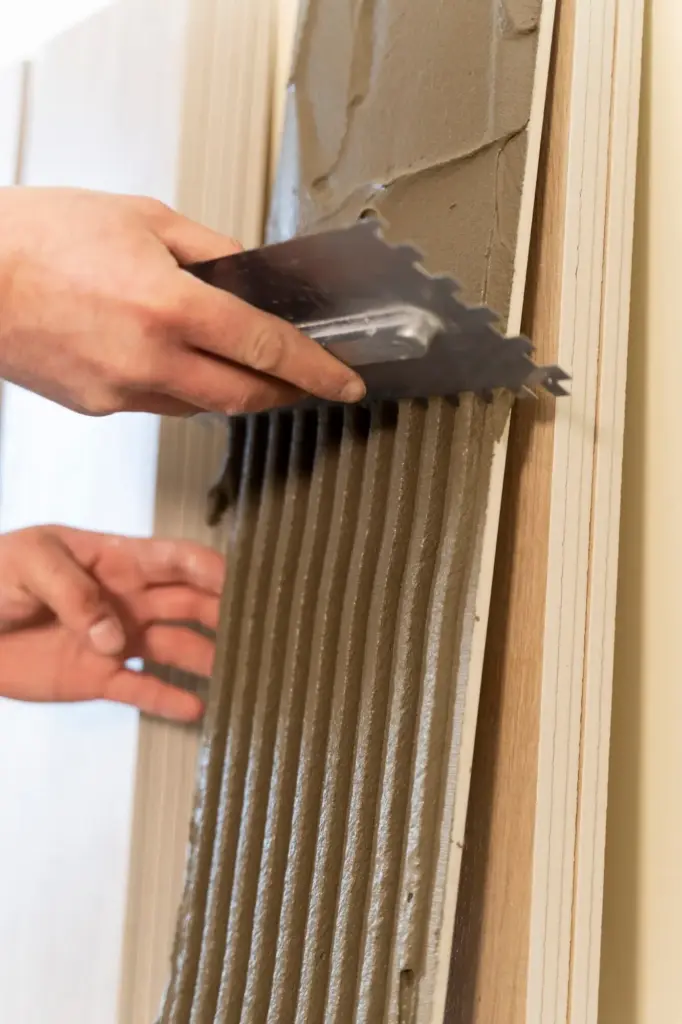
Installation, Care, and Circular Thinking

Numbers That Respect Nuance

Stories that Live in the Materials

All Rights Reserved.